Murderers, Sex Cults, Ghosts, and Death
It was quite the reading period here on these premises. Everything I read was good though it wasn’t all for everyone. I’m not, to. be honest, sure it was all for me.
Let’s get into it.
(March 3, 2026)
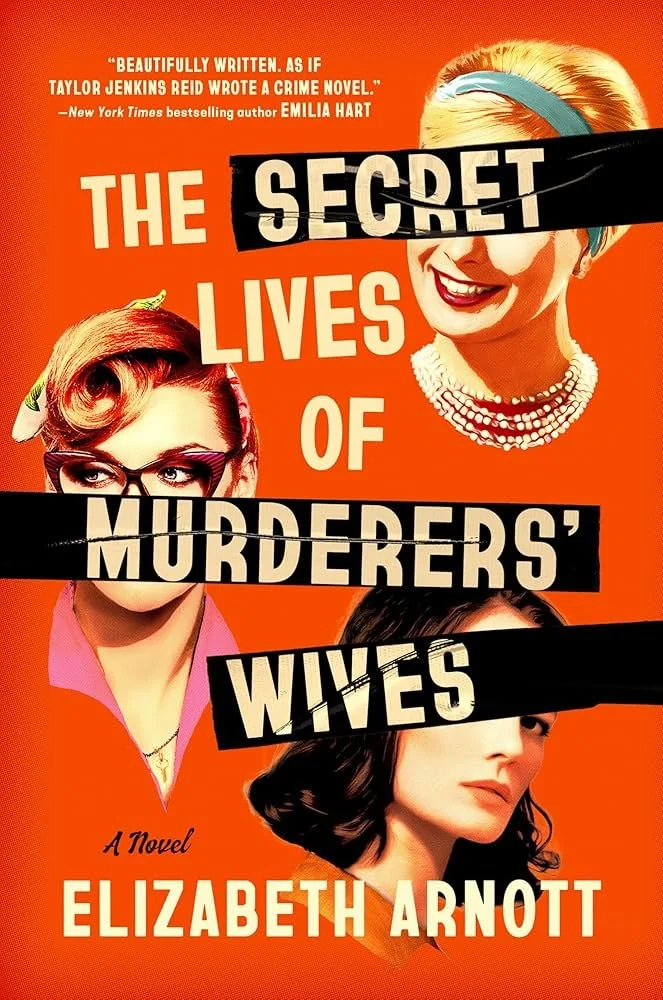
Set in the 1960s, Arnott’s thriller is revolves around a group of three, very different women: Beverly, Elisa, and Margot who have one thing in common: they were all married to serial killers. None of the.trio had any inkling that her spouse had dark alter egos but they all know they’re not going to let what happened to them, and their husbands’ victims, happen to anyone else. So, when a new killer arrives in their small, idyllic, Bay-Area town, the Murderer’s Wives do what the police won’t: they dig deep into the lives of the victims, follow every lead, and disrupt their neighbors willful ignorance, refusing to give up until they have the intruder in their sights.
This book is a thriller, yes, but it’s so much more than that. It highlights the depth and breadth of what women can accomplish when we work together and a timely one at that; we’re being told that what we think doesn’t matter, that no one is going to listen to what we have to say and Arnott’s setting this story mid-century, when women were shoved back into their traditional roles after a decade of freedom, reminds us that that’s always been the case when we care for and protect one another. That, perhaps, not all men but also, “Yes, all men,” because it’s easier for them, because it allows them freedoms they don’t have when they’re expected to be responsible parties and equal partners. Because, like racists and homophobes and transphobes and all the other phones who have reared their ugly heads, a permissive society allows misogynists and anti-feminists to act on their baser desires and the only ones who can stop them are us. We women, plural, intersectional, and allies alike.
Your husband may not be a killer, but that doesn’t mean he wants you to thrive. If he does, then lucky you. Recruit him to the cause. If not, then find the helpers, band together with them, and start a secret life of your own.
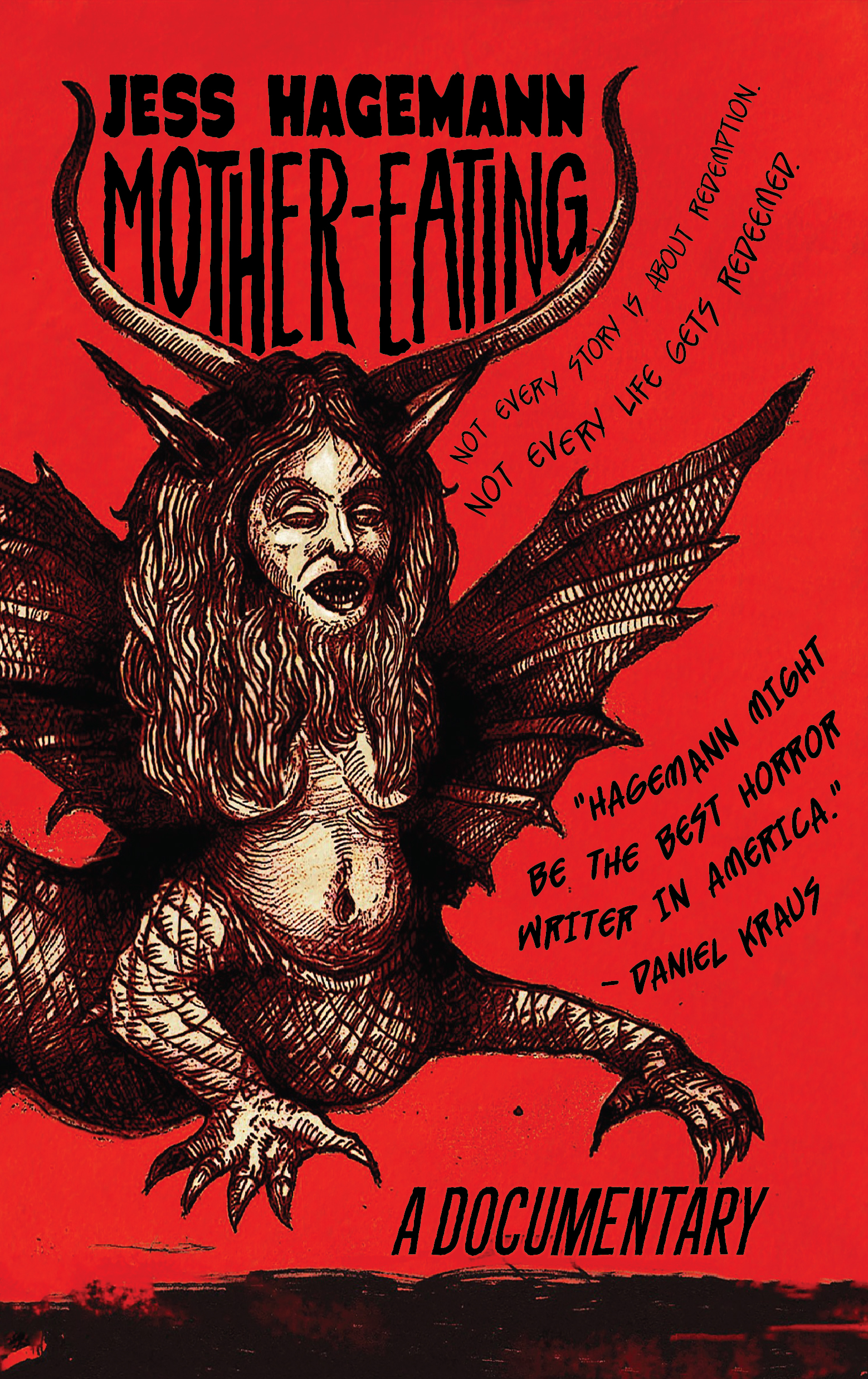
Mother-Eating is a rough read. I had a lot of trouble sitting with it for long periods and when I talked to my therapist about it (I had started a new med and I was worried that it was interfering with my ability to sit and read, which would have been a deal breaker). When I described the book to her she suggested that perhaps it was the subject matter that was the problem rather than pathology and when I gave it a good think, I realized she was probably right.
That said, this story is meant to be disturbing because it is, predominantly about horrible people. A mother who sells her fourteen daughter into a sex cult for her fifteen minutes of fame. The leader of that cult who marries that child (though he claims he doesn’t consummate until she turns eighteen) and has four children with her only to turn on her.
Did I mention this is a modern twist on Marie Antoinette’s story? No? This is a modern twist on Marie Antoinette’s story which, if you know your history, you know is fucked to begin with as most royal stories are, especially those involve girls essentially being sold into indentured servitude for power, property, some other prize, some combination, or all of the above.
The only entity that dies of natural causes in Mother-Eating is the dog.
There is torture of various types, horrible behavior on the part of men, women, and even children, a Lolita subplot that’s even worse than the child marriage one, discussion of multiple miscarriages, parental death that a lot of them have coming, bizarre religious rites that involve human sacrifice, and all other manner of really fucked up shit. And yet, I have to tell you that I read the whole book because it is damn compelling the way watching a car crash is.
I’ll recommend you back to Morbidly Curious. This book contains so of the most terrible things people can do to one another and I now feel one hundred percent prepared to resist should any of it happen to me. Which is… probably not great. But at least I know what I can survive and what I’d rather die than endure. I guess?
I don’t know if any of this is a recommendation or not. I definitely won’t ever forget this one.
(March 3, 2026)
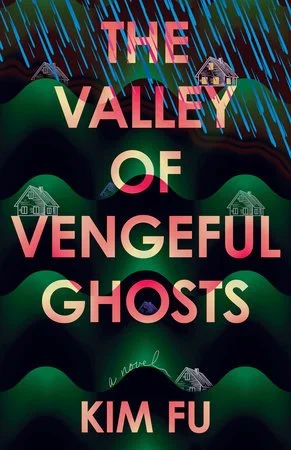
Valley of Vengeful Ghosts successful creeped me the hell out and also made me not want to ever buy another house.
I firmly believe people imprint themselves on the places they live. You can’t spend ten or twenty years, or even a lifetime, in a place and not leave scars and marks. You can’t create something where there was nothing, with good intentions or ill, without leaving sparks of joy or slivers of harm in the fibers of that place. I’m not talking about ghosts as such, though I think I probably believe in those as well, at least in some form, or even full blown emotions, more impressions, flickers. There has to be a reason it’s so difficult to sell houses in which people have died or been murdered, right?
Maybe my own belief is why I found The Valley of Vengeful Ghosts so affecting despite it’s not being at all what I expected from the title, which was a big story with a single character at its center. What I found was a lovely meditation by a single character on the meaning of life and home and what makes either and both worthwhile (yes, a thing can be creepy and lovely at the same time).
Is it a horror novel? It is but on a very personal level, which had me thinking about my own life and all of the things in it that are worthwhile, the things that make my home exactly that, and the things that don’t fit, why I keep them, and what it will mean, someday, when I cut them loose. About the first home I chose for myself and what I miss about it and why, lately, I’ve been thinking about it so much. How I can get back there someday and what I plan to take with me.
This book is a study in dichotomy, not only for its protagonist Eleanor, who is her own worst antagonist, but for the reader who follows her on her journey, but for the ways in which the reader is uplifted by its dark moments even as they reflect on what is imperfect and, in its final moments, access a freedom and joy that seemed previously impossible.
(March 3, 2026)
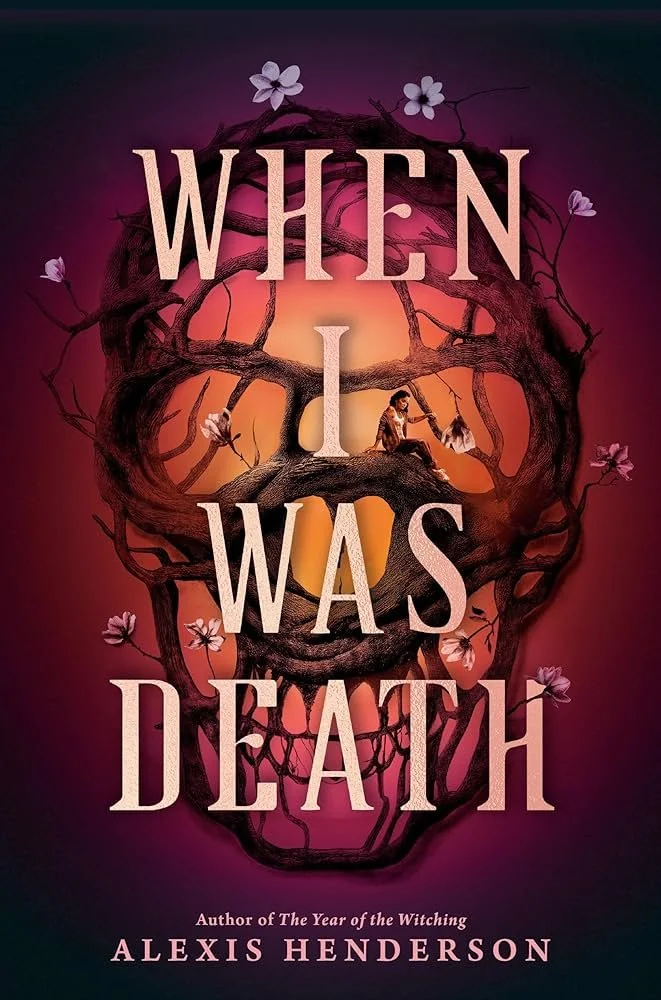
I appreciate the way When I Was Death jumped right into the story; something I’ve been noticing in both adult and YA lit lately, especially in first books in intended series, is that the lead up is extended enough that I either lose the thread of the story or find my attention wandering. I wish more books would get right to it the way this novel did.
That said, and this may seem like a contradiction, I do wish there had been a bit more character development; a skilled author, and I know from Henderson’s gloriously strange the The Year of the Witching she is that, can provide that in context. I think a sole focus on plot and “telling” is a little but of a disservice to an age group that is working to develop independent conscience and morality, however, the concept here is phenomenal and the story was pretty gripping. It’s a solid first YA effort from Henderson and I do plan on mentioning it to my 13 year old to see if they might be interested.
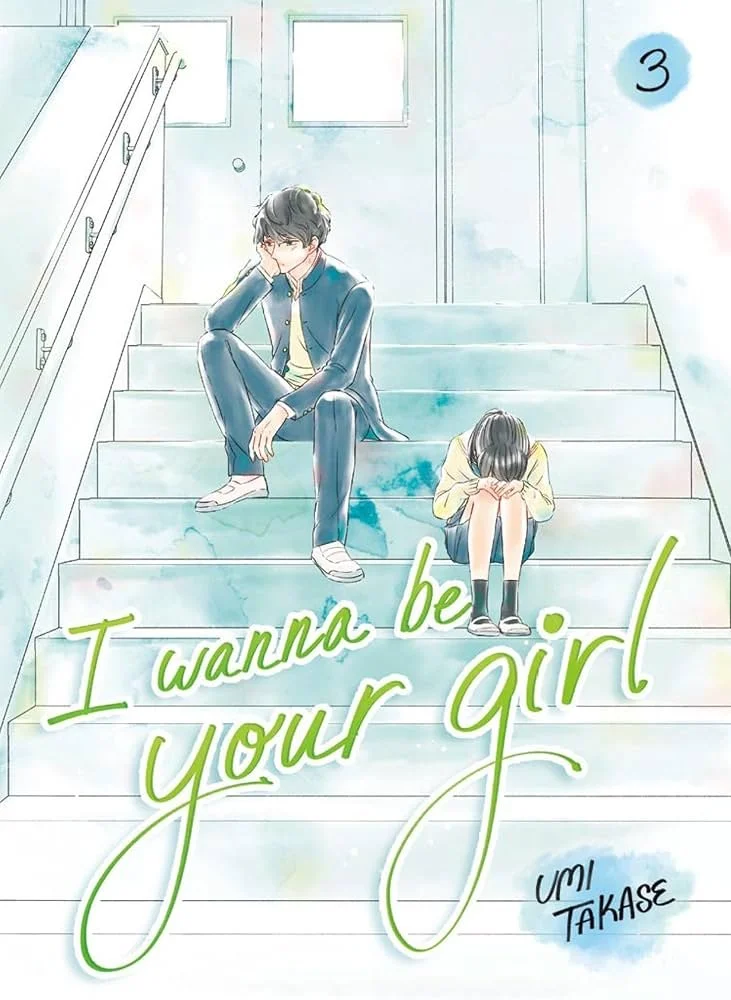
(February 3, 2026)
This series continues to be a wonderful expression of gender, sexuality, and love. The delicacy with which author Umi Takase handles these subjects while being open, honest, and unflinching brings me such joy and the compassion with which they broach each new topic as it arises makes me want to give copies of this series to every kiddo I know as they enter puberty and start considering who they are, who they think they might become, and the challenges they might face as they explore the possibilities.
That’s it for this round. Back soon!